Advancing AI-Automated Tiered Reporting
PI: Helen Armstrong.
Master of Graphic & Experience Design (MGXD) students recently collaborated with the NC State Laboratory of Analytic Sciences (LAS) to explore the potential of AI to assist intelligence reporters as they move through the tiered reporting process.
Background: “Tiered reporting is a structured method of disseminating intelligence or sensitive information, designed to tailor the message to different audiences based on their needs, expertise, and security levels. Its primary goal is to streamline communication while safeguarding critical sources, methods, and intelligence. By adjusting the detail, sanitization, and focus of reports, tiered reporting ensures that the right information reaches the right stakeholders at the right time.”
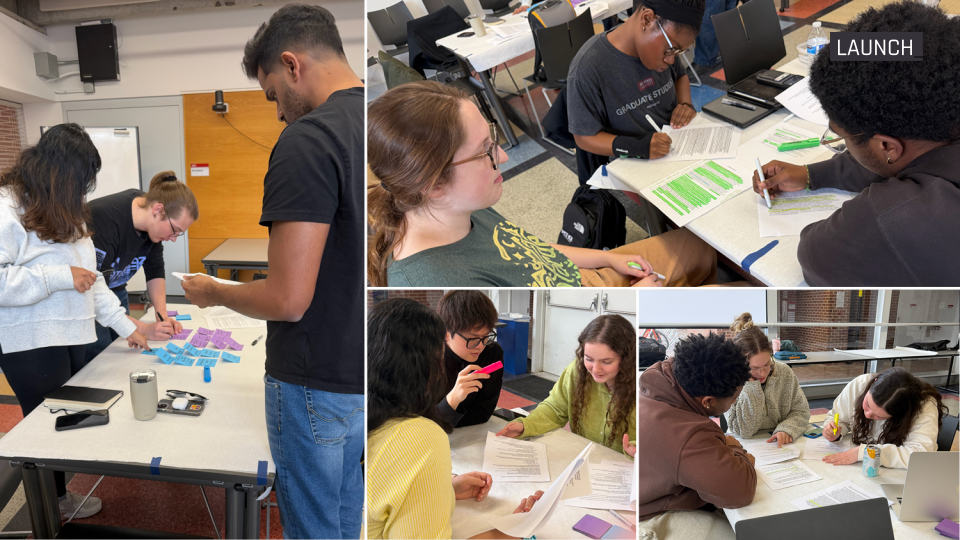
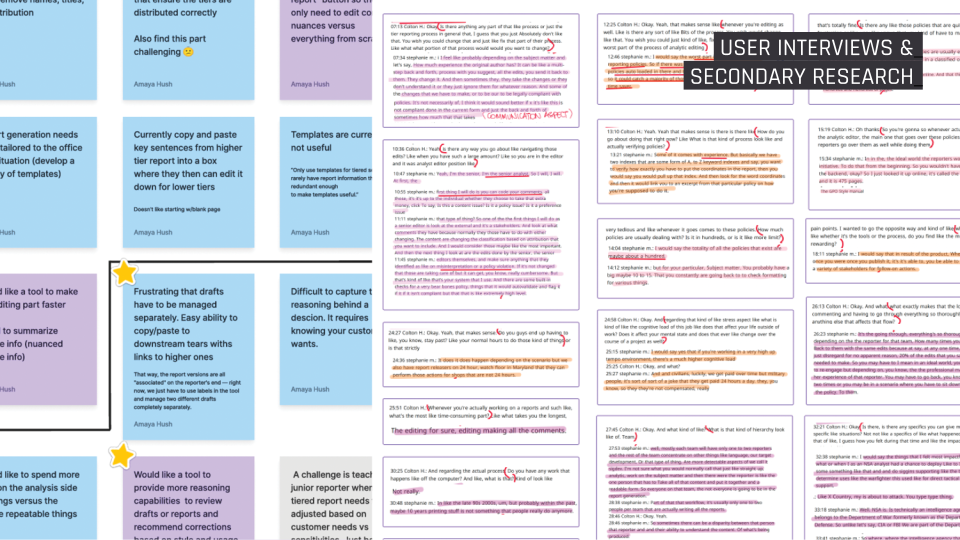
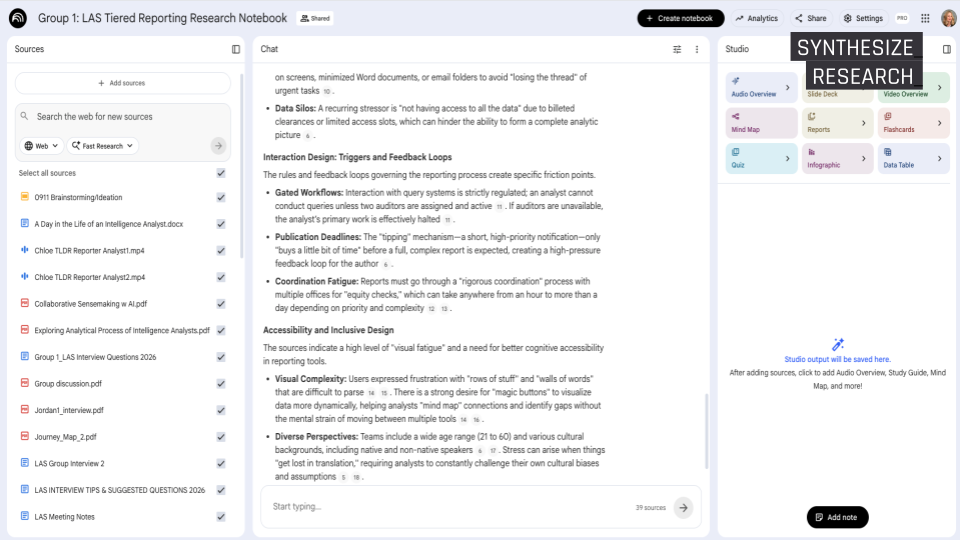
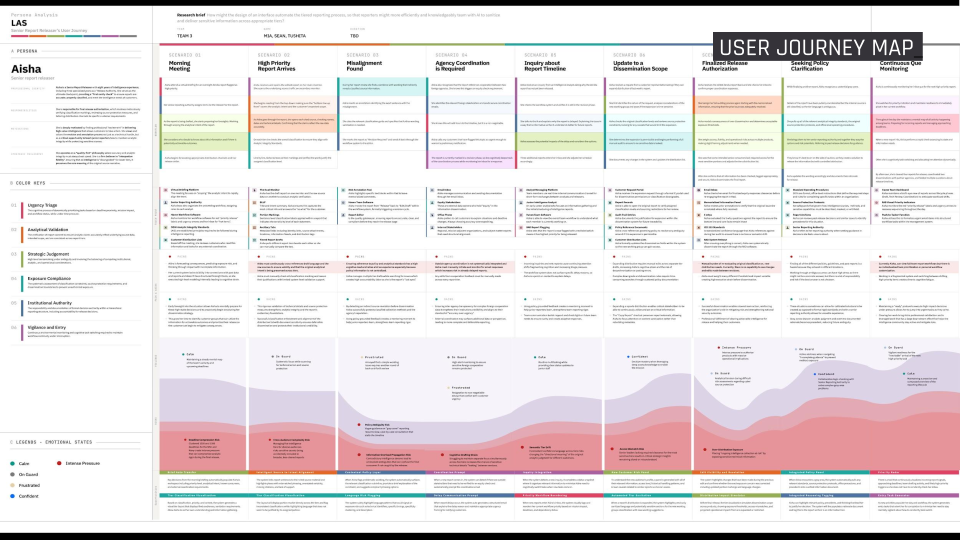
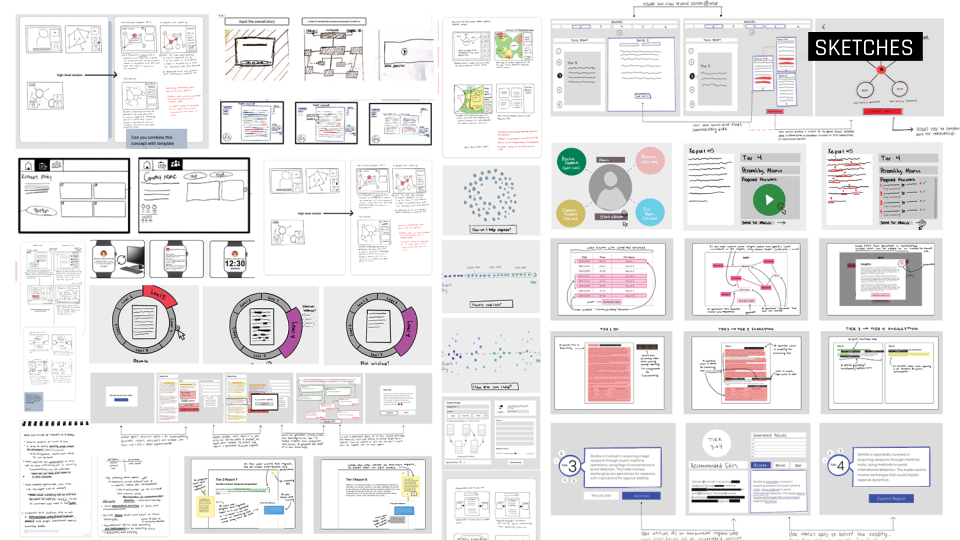
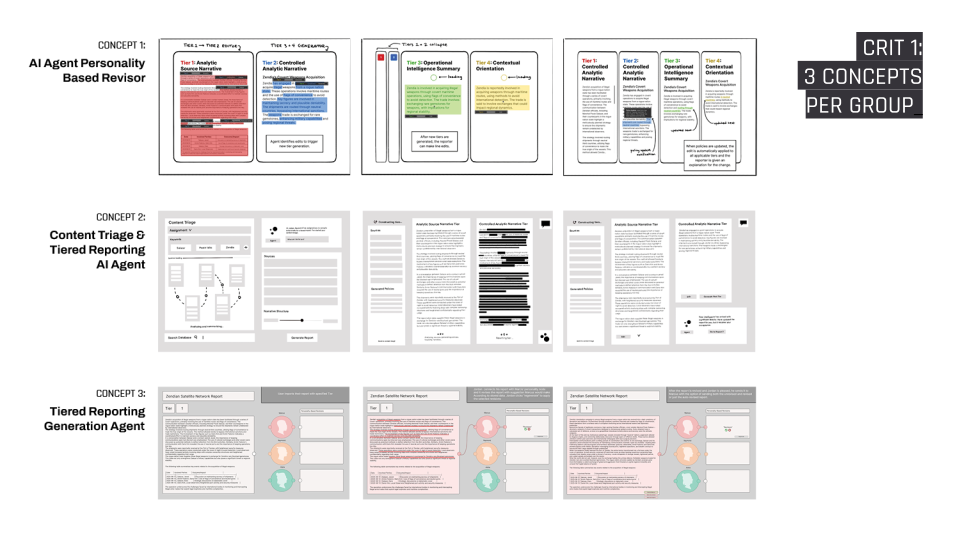
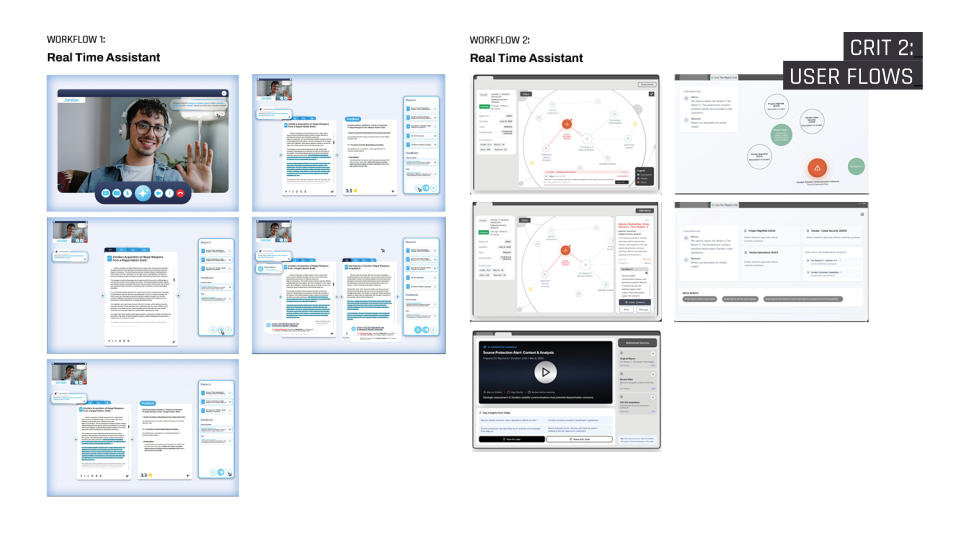
Working in groups, the design students dug into the current tiered reporting workflow, identified pain points, and then developed UX/UI concepts that seamlessly integrated AI to enhance the efficiency and effectiveness of intelligence reporting. The goal was to reduce the burden on analysts by providing a more intuitive, automated reporting system, ensuring that sensitive information was accurately sanitized and delivered across appropriate tiers without compromising security. Students focused on discovering a range of future-facing interface design possibilities for the novel integration of AI.
The core research question of this project:
How might the design of an interface automate the tiered reporting process, so that reporters might more efficiently and knowledgeably team with AI to sanitize and deliver sensitive information across appropriate tiers?
Students were asked to consider:
-
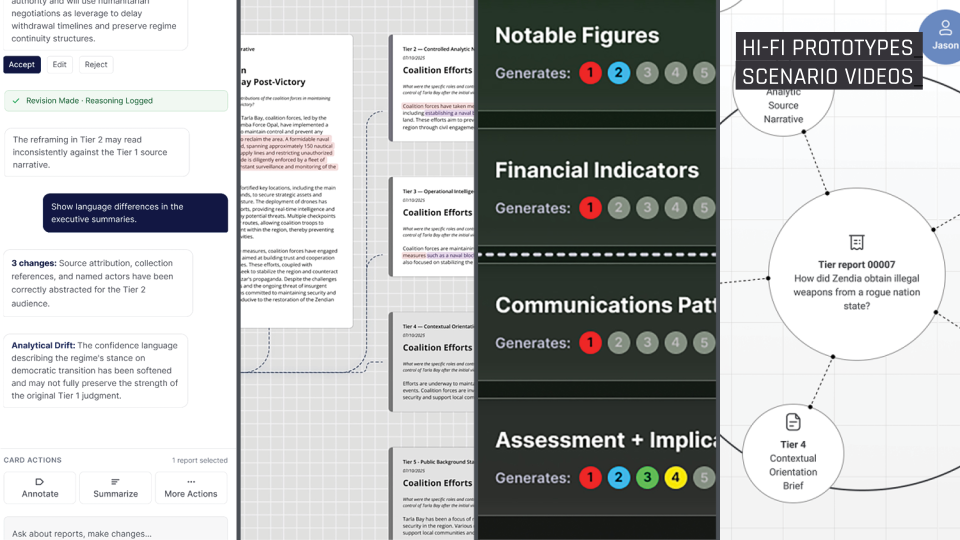
- OVERSIGHT: How might this interface effectively communicate A.I. recommendations and data modifications (detail, sanitization, and focus) across multiple classification tiers as content moves through this reporting system, thus ensuring efficient and effective analyst oversight?
- AGENCY: How might this interface support analyst agency and involvement throughout the tiered reporting process, thus encouraging analysts to remain active, deliberative participants?
- TRUST CALIBRATION: How might this interface clearly convey the capabilities and limitations of the AI system to analysts of varying experience levels, thus assisting with trust calibration?
Prototypes
Designers: Willow Ahrens, Clara Matthews, William Whitley, Graphic & Experience Design, © NC State University, All Rights Reserved
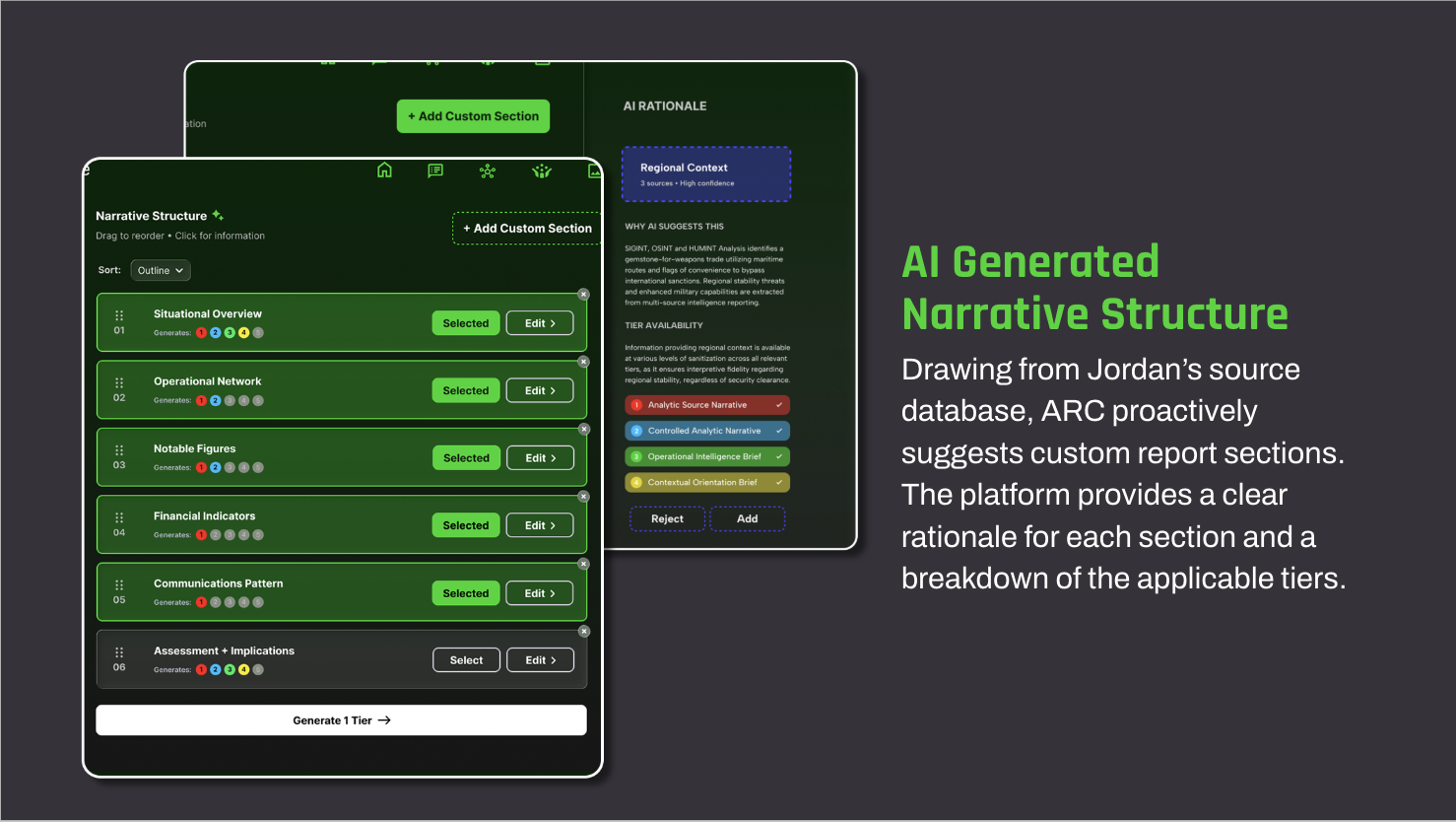
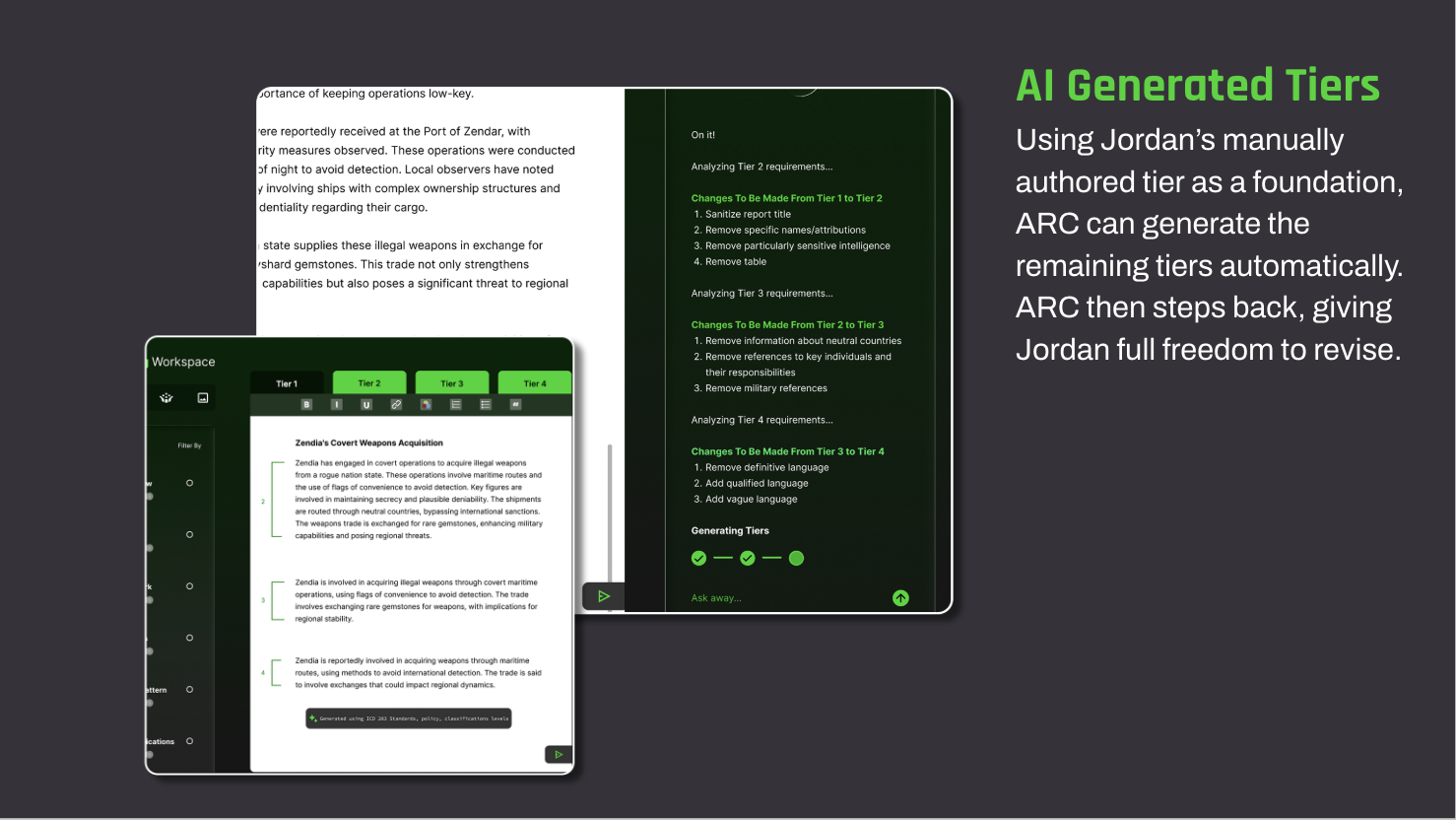
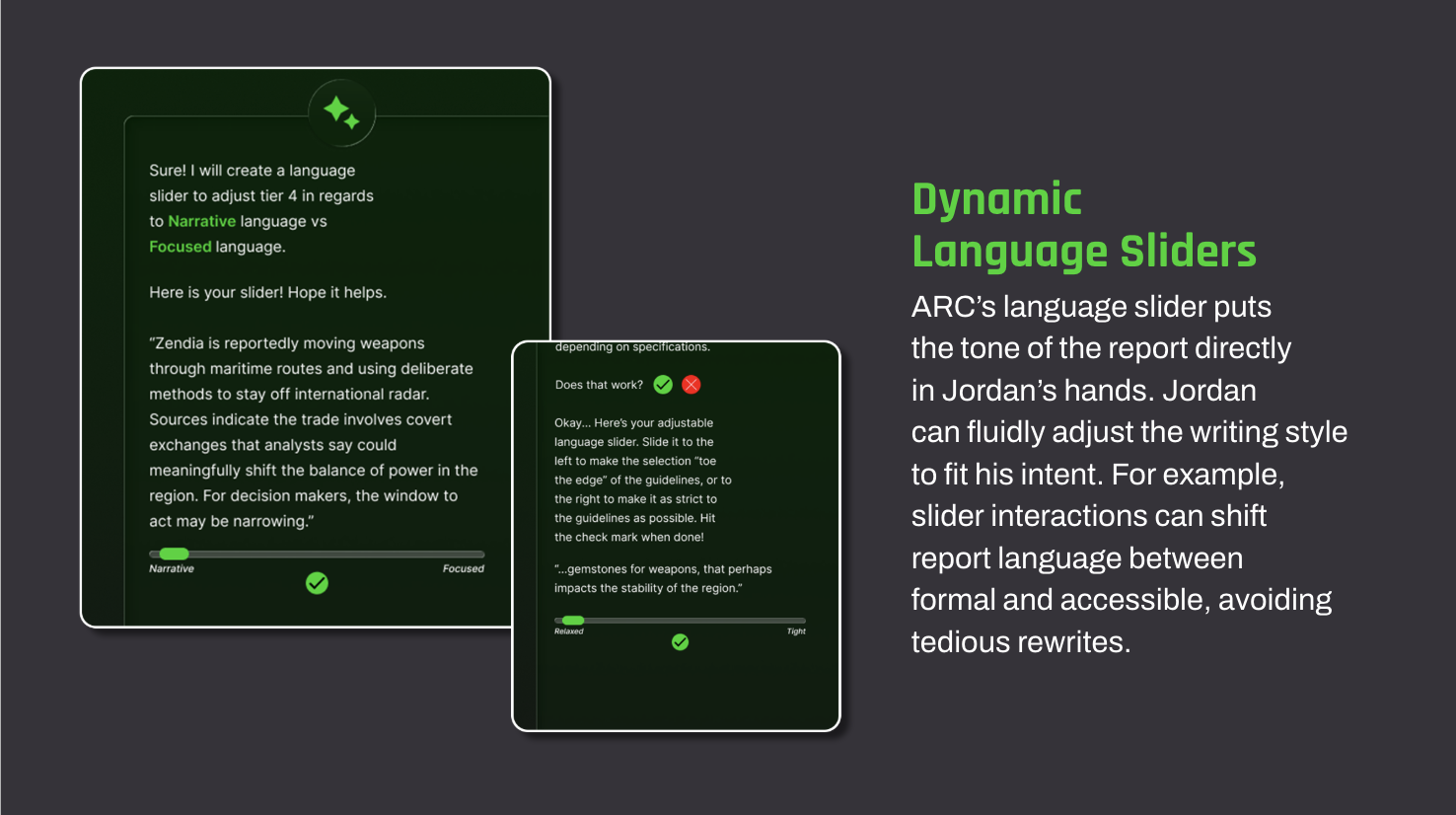
Designers: Donté Coleman, Amaya Hush, Katie Kirke, Graphic & Experience Design, © NC State University, All Rights Reserved
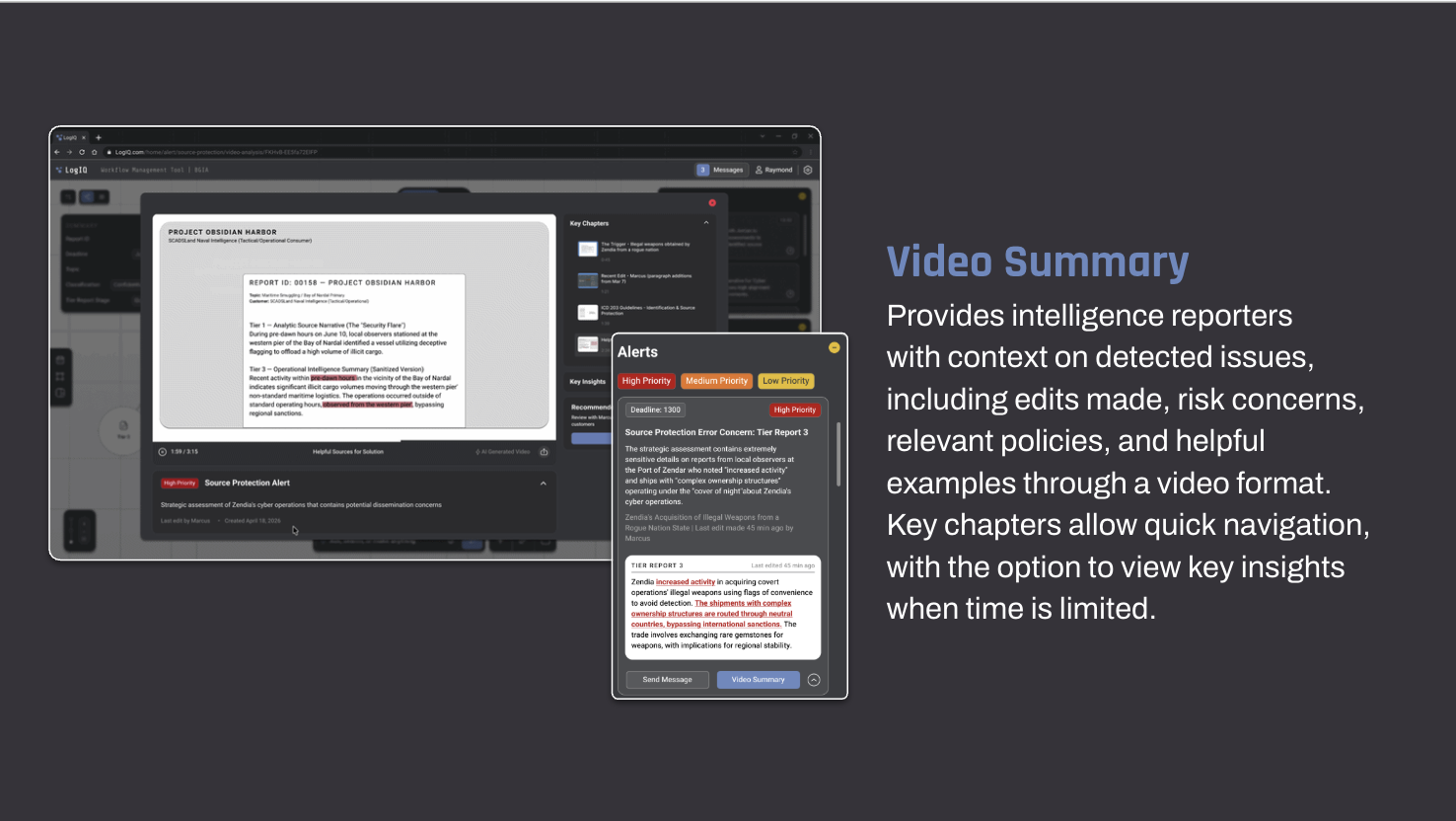
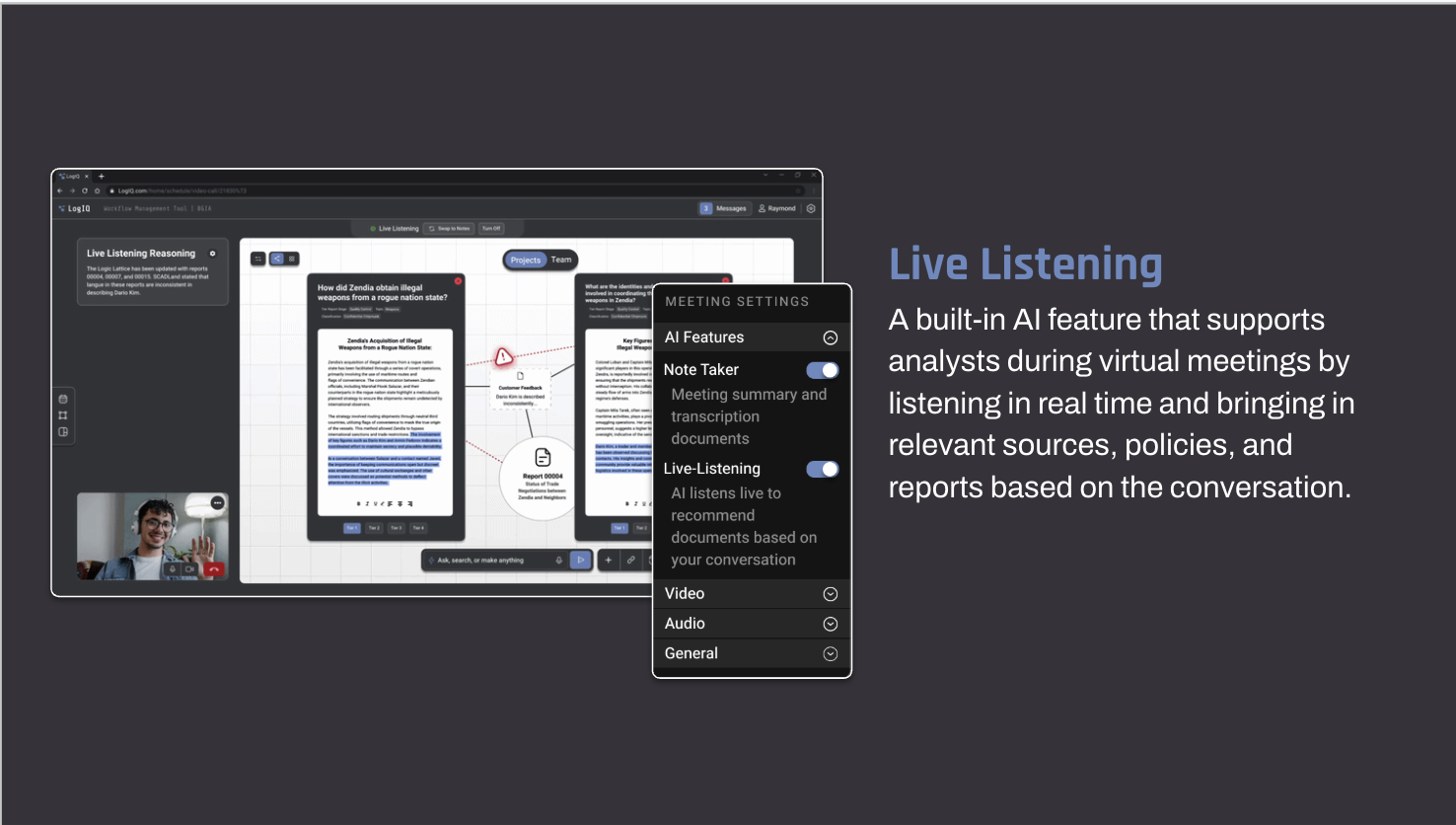
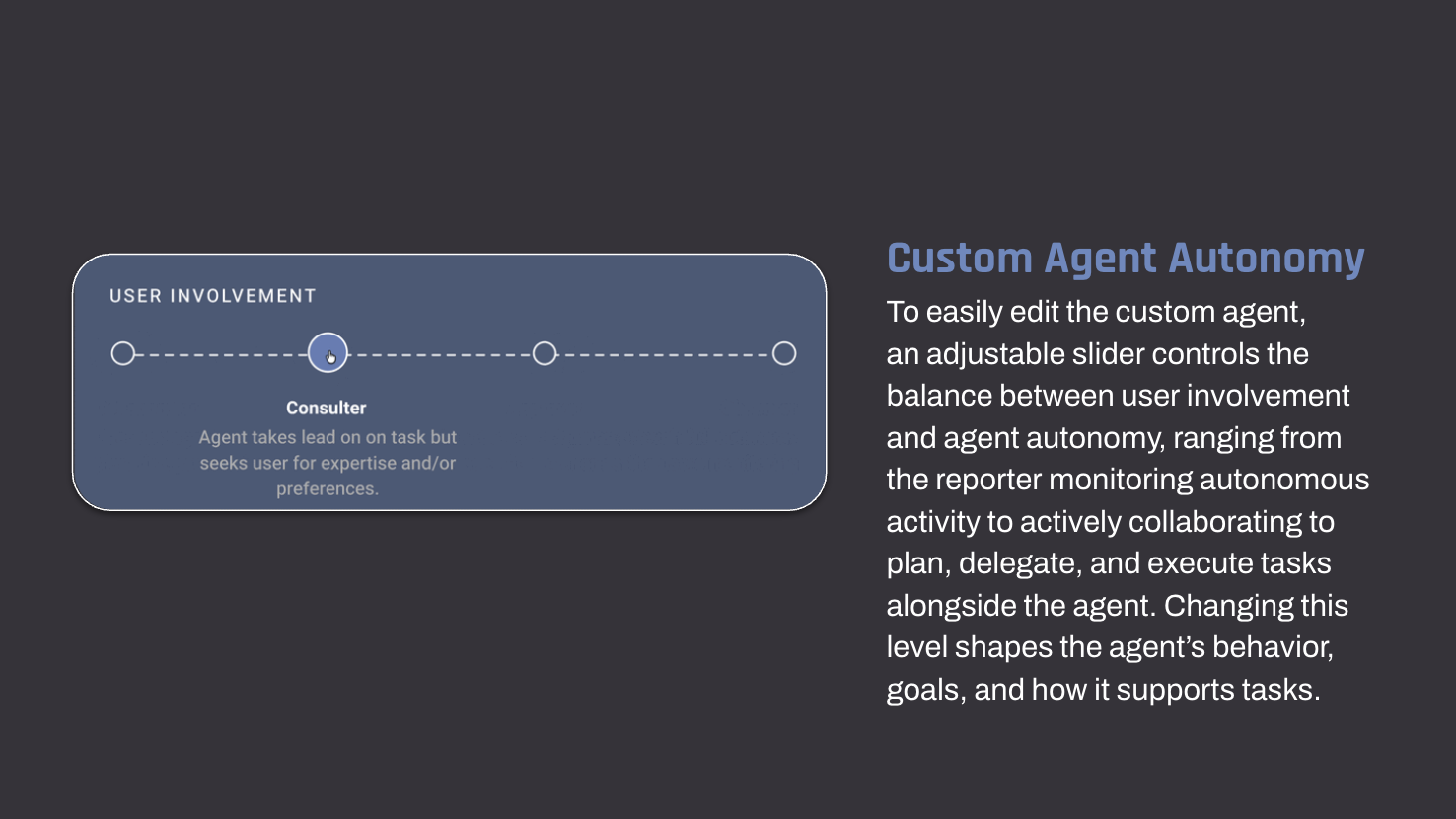
Designers: Mia Biehler, Tushita Kaul, Sean Ran, Graphic & Experience Design, © NC State University, All Rights Reserved
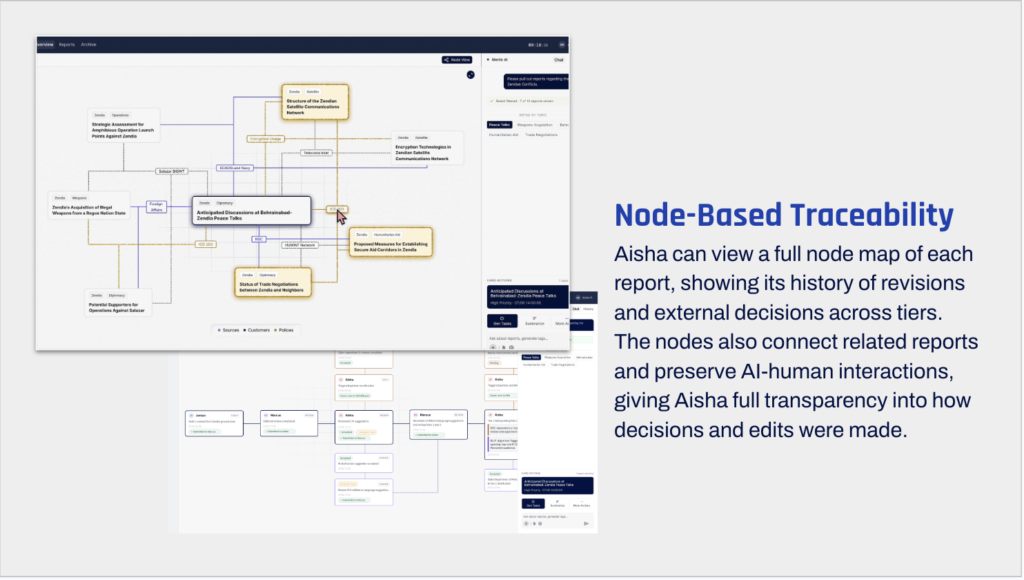
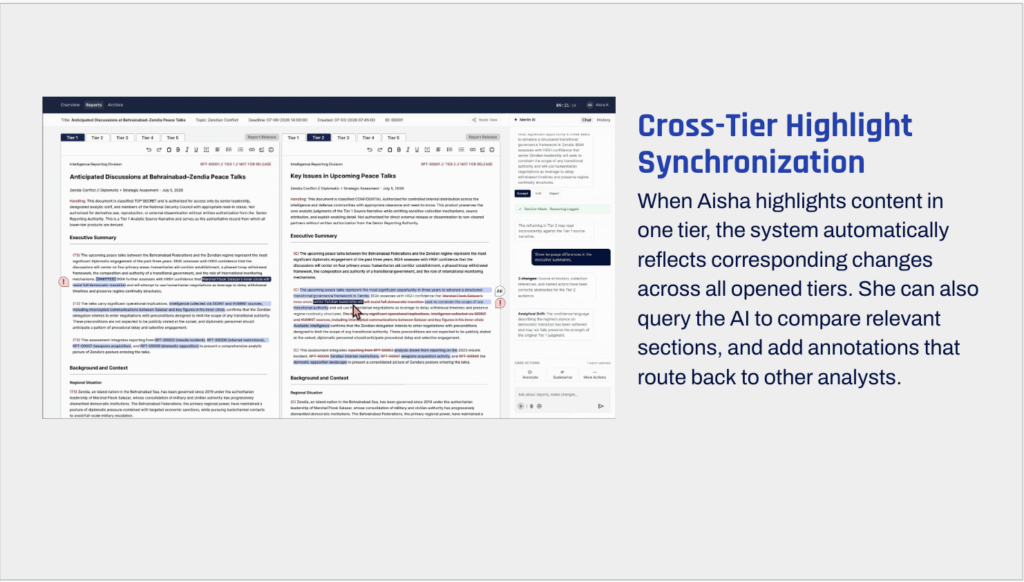
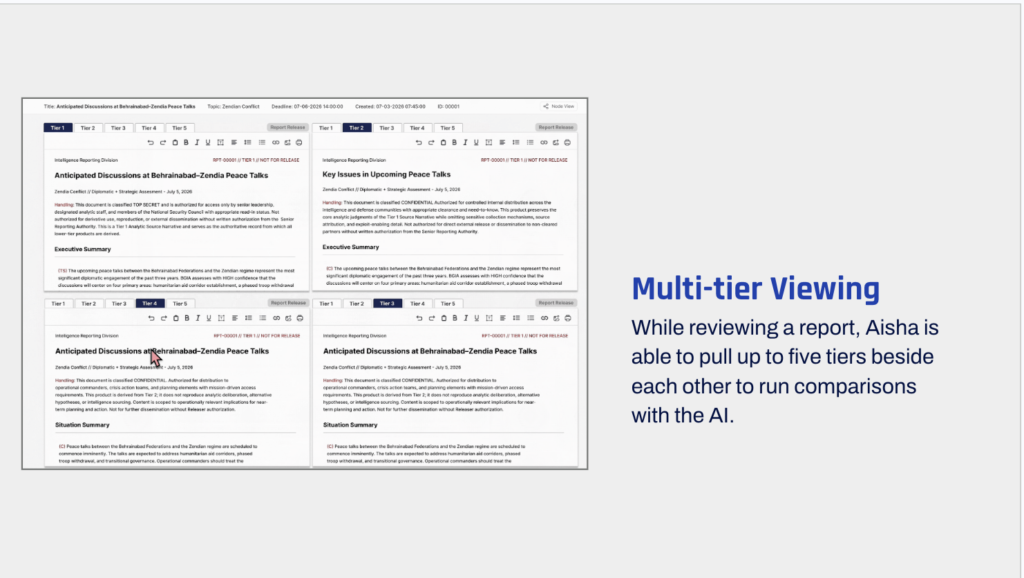
Designers: Colton Hendrix, Diya Franklin, Swatik Salinera Parthasarathy, Graphic & Experience Design, © NC State University, All Rights Reserved
The Research Phase